 英语
 西班牙语
 中文简体
For buyers developing private label wet wipes, the minimum order quantity, or MOQ, is often one of the first questions raised during an inquiry.
However, there is no single MOQ that applies to every wet wipes project. A product using an established fabric, formula and standard packaging may have very different production requirements from one involving an exclusive formula, unusual sheet dimensions and newly printed packaging.
MOQ is not simply a sales threshold set by the manufacturer. It is generally influenced by material purchasing, formula development, packaging production, line setup and the cost of producing each unit.
1. How Does the Nonwoven Fabric Affect MOQ?
The substrate is an important factor in determining MOQ. Standard materials, commonly used fabric weights and regular sheet sizes are usually easier to source and schedule for production.
A higher material purchasing requirement may apply when a project needs:
- A special fibre combination;
- An uncommon fabric weight or thickness;
- A customized embossing pattern, mesh or texture;
- A special roll width or sheet dimension;
- A material specified by the buyer but not regularly stocked by the factory.
For a first order, a new brand can evaluate whether an established substrate already provides the required softness, strength and user experience. Using a material with a stable supply can help reduce development time, purchasing pressure and inventory risk.
2. Why Does the Formula Change the MOQ?
An established formula is normally easier to introduce than a fully exclusive formula developed from the beginning. Its material combination and manufacturing process are already better defined, so development may focus on adjustments to fragrance, skin feel, liquid load or product positioning.
An exclusive formula may require:
- New ingredient sourcing and supplier approval;
- Several rounds of sample development;
- Compatibility evaluation involving the formula, fabric and packaging;
- Testing based on the intended use and destination market;
- New production documents and quality specifications.
This does not mean that exclusive formulas are unsuitable for new brands. It means that differentiation should be balanced against budget, development time and expected sales volume.
For an initial order, a brand may begin with an established formula or a lightly customized option. More extensive formula development can follow after market demand becomes clearer.
3. Why Do Packaging Film and Cartons Often Determine the Final MOQ?
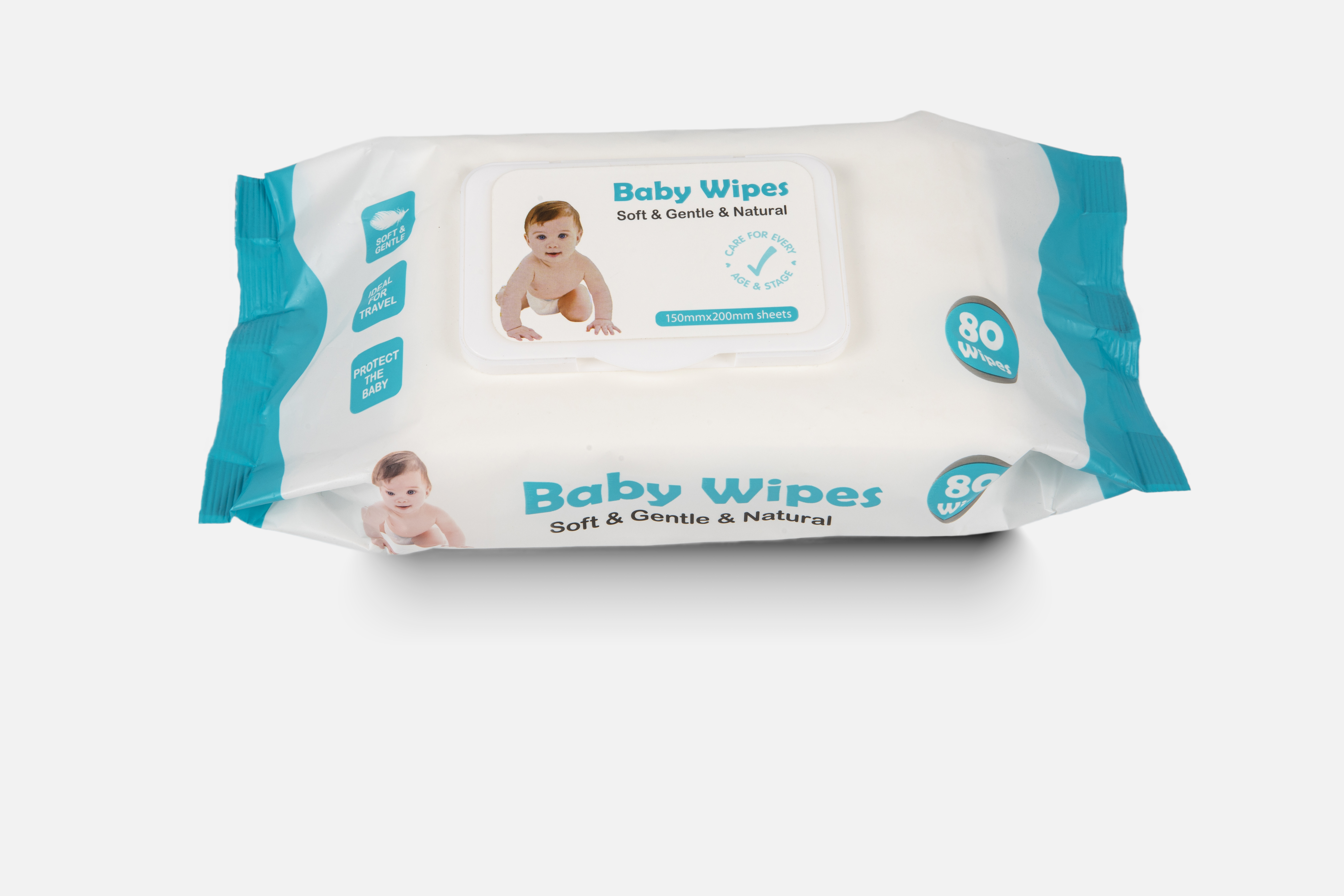
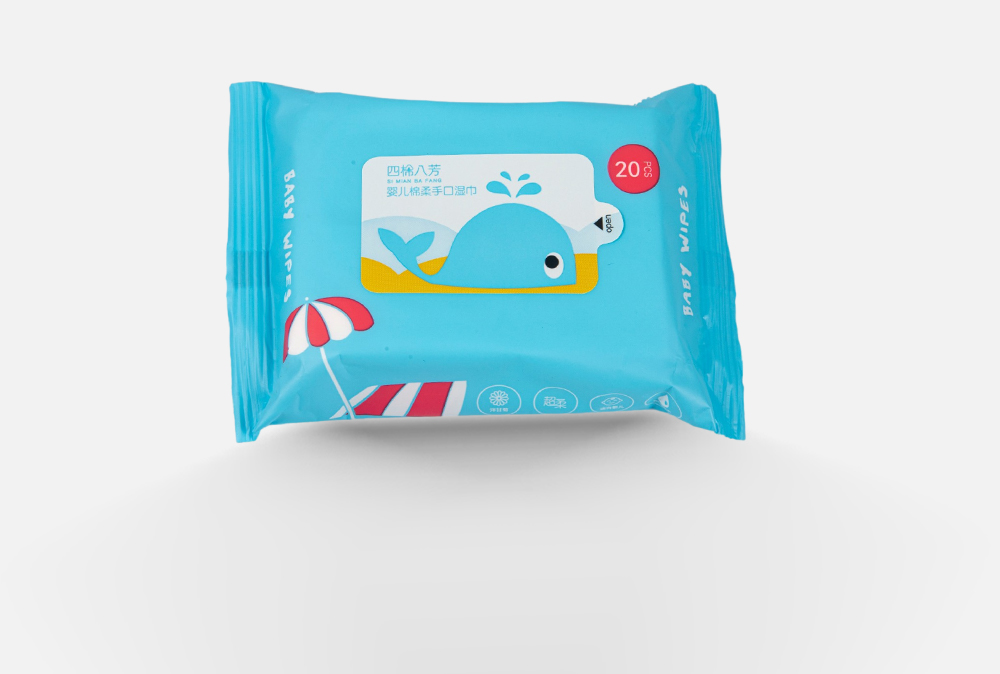
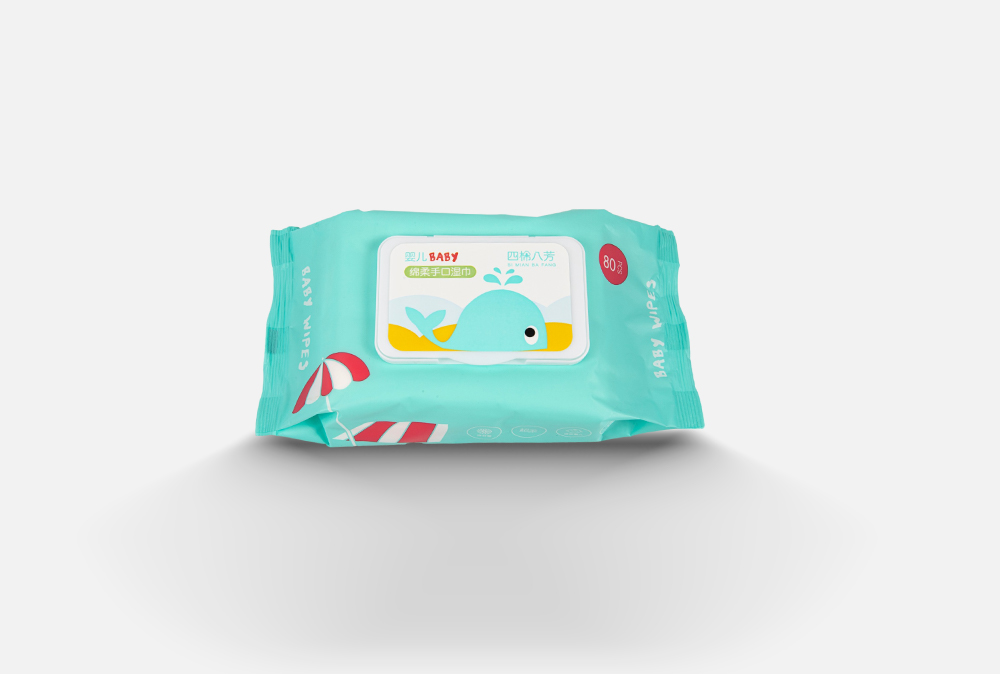
Many buyers assume that the wet wipes themselves determine MOQ. In practice, custom-printed packaging film is often one of the most important factors.
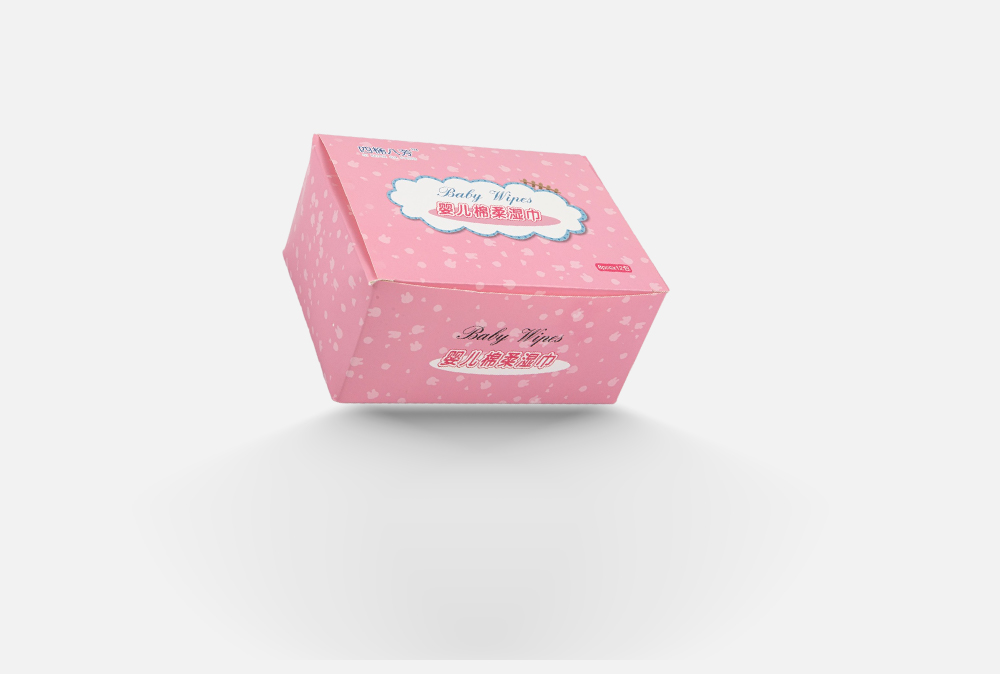
Customized packaging may involve artwork approval, plate or cylinder preparation, printing, slitting and material loss. Packaging suppliers establish minimum production requirements according to the material structure, printing process and production efficiency. Even when a wet wipes line can run a smaller batch, the minimum purchasing requirement for printed film may determine the final order quantity.
Cartons can also affect MOQ, especially when the project uses:
- Fully printed retail or shipping cartons;
- Different carton artwork for each SKU;
- Special carton dimensions or structures;
- Multiple language or market versions.
For a limited first order, possible options may include a standard shipping carton with labels, fewer packaging versions, or a shared carton size for several products. Any solution should still be reviewed against transportation, labelling and destination-market requirements.
4. What Is the Difference Between a Single-SKU and Multi-SKU Project?
Suppose a brand plans to launch baby wipes, makeup remover wipes and sports wipes. Even if the total purchasing volume is substantial, each product may require a different fabric, formula, printed film and carton.
The factory and packaging suppliers may therefore need to calculate the following for each SKU:
- Raw-material purchasing volume;
- Printed-film requirements;
- Carton quantity;
- Production-line cleaning, adjustment and changeover time;
- Quality documentation and retained samples.
This is why dividing one order into several fragrances, colours, dimensions or packaging versions can change the workable quantity and unit cost of each SKU.
For a new brand, launching one or two core products is often more manageable than introducing too many SKUs at once. A focused launch concentrates purchasing volume, simplifies packaging management and reduces the risk of slow-moving stock.
5. How Can Buyers Reduce Inventory Risk on a First Order?
Reducing risk does not mean pursuing the lowest possible MOQ. A very small batch may increase unit packaging and production costs, while limiting the available customization options.
A more practical approach is to optimize both the product and the supply plan:
- Identify the core product. Start with the SKU that best matches the target customer and sales channel.
- Use established materials and formulas. Avoid unnecessary special materials in the first order when they do not improve the product positioning.
- Limit packaging versions. Avoid creating too many language, fragrance or small-format variations for different channels.
- Approve samples and specifications first. Do not print packaging before confirming the sheet size, count, formula and copy.
- Clarify how unused packaging will be managed. Agree in advance on the storage and future use of remaining film, labels or cartons.
- Plan replenishment around sales and lead time. Consider manufacturing, transportation and safety stock rather than focusing only on the initial unit price.
6. How Can Product Specifications and Packaging Be Optimized?
The following options may reduce project complexity, subject to the manufacturer’s assessment of the product and packaging requirements:
- Select commonly used sheet dimensions and fabric weights;
- Use folding methods and pack counts already produced regularly by the factory;
- Begin with an established or lightly adjusted formula;
- Use the same packaging dimensions for several SKUs and differentiate them with labels or limited artwork changes;
- Use a standard shipping carton with different carton labels;
- Postpone channel-specific packaging until a later order;
- Limit the number of fragrances, colours and language versions in the initial launch;
- Introduce special fabrics or fully exclusive formulas after demand has been validated.
MOQ should not be reduced at the expense of package sealing, product stability, correct labelling or user experience. The objective is not simply to reach the lowest quantity, but to find a workable balance among customization, unit cost and inventory risk.
Conclusion
The MOQ for private label wet wipes is generally determined by the fabric, formula, printed film, cartons, number of SKUs and production setup. A manufacturer cannot provide a reliable, workable MOQ without first understanding the product specifications.
A useful request for quotation should include:
- Wet wipes category and intended use;
- Target market and sales channel;
- Sheet dimensions, fabric weight and pack count;
- Fabric and formula preferences;
- Packaging format and number of artwork versions;
- Number of SKUs;
- Initial order volume and estimated annual demand.
The clearer the information, the easier it is for the manufacturer to propose a practical MOQ, quotation and development plan.
Start Your Project
Are you developing baby wipes, flushable wipes, makeup remover wipes, adult wipes, sports wipes or floor cleaning wipes? Send us your target market, product specifications, packaging format, number of SKUs and estimated order volume. We will review the material and packaging requirements and recommend a suitable MOQ and customization route for your project.